
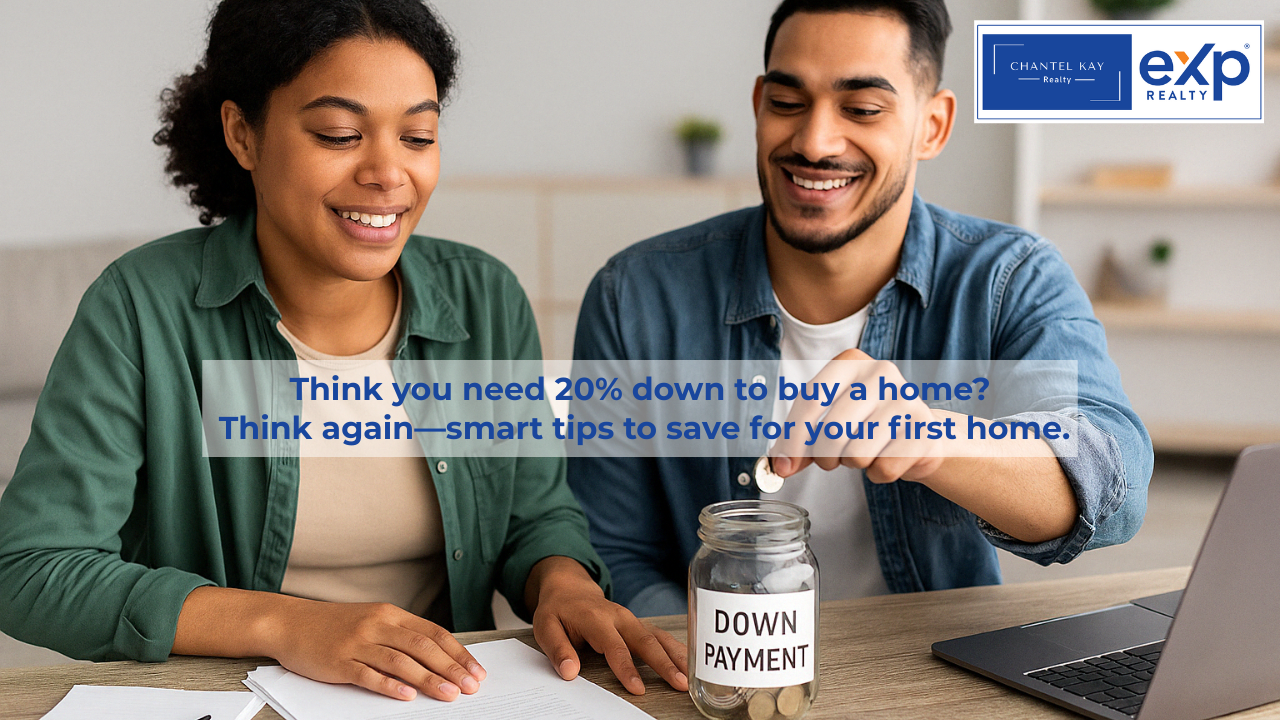
(And Why You Don’t Always Need 20% Down)
Saving for a home is one of the biggest financial steps you’ll take—and if you’re like most first-time homebuyers, the idea of needing a 20% down payment might feel overwhelming. Here’s the good news: that old rule no longer applies to many buyers.
In this blog post, we’ll clear up the biggest misconceptions about down payments and walk you through smart, simple ways to save for your future home—without the stress.
Myth Buster: Do You Really Need 20% Down?
It’s a common belief that you need to put 20% down to buy a home. While putting 20% down can help you avoid private mortgage insurance (PMI), it’s not a requirement for most buyers.
Here are more realistic options available today:
- Conventional Loans: As little as 3% down
- FHA Loans: Just 3.5% down
- VA & USDA Loans: 0% down for those who qualify
Many first-time buyers purchase homes with 3% to 5% down. It all depends on the type of loan and your financial profile. Speaking with a trusted lender early can help you figure out your options.
Step 1: Know Your Down Payment Goal
Before you start saving, get a realistic number in mind. Here’s how:
Example Home Price: $300,000
- 20% down = $60,000
- 5% down = $15,000
- 3% down = $9,000
Even a few thousand dollars can go a long way when paired with the right financing. That’s why planning early is key.
Step 2: Simple Ways to Save for a Down Payment
You don’t need to overhaul your life—just use smart, steady strategies that make saving easier:
✅ Set Up a Separate Savings Account
Automate deposits each week or month. Keeping savings out of sight helps you resist spending.
✅ Track Spending and Cut Small Costs
Cancel unused subscriptions, switch to a cheaper phone plan, or cook at home a few more nights a week.
✅ Use Windfalls Wisely
Tax refunds, bonuses, or gift money can quickly boost your savings fund.
✅ Sell Items You Don’t Use
Declutter and earn cash by listing things on Facebook Marketplace or local selling apps.
Step 3: Boost Income With a Side Hustle
Extra income doesn’t have to mean a second job. Many buyers build their down payment fund through:
- Freelancing (writing, graphic design, virtual assistance)
- Delivery driving (DoorDash, Uber Eats)
- Selling handmade items online
- Tutoring, pet sitting, or odd jobs
Even a few hundred extra dollars a month can speed up your savings timeline.
Step 4: Look Into Down Payment Assistance
Many buyers qualify for local or state down payment assistance programs—you just need to know where to look. These programs may offer:
- Grants (no repayment required)
- Low-interest second loans
- Forgivable loans after a certain time in the home
If you’re buying in Minnesota or Florida, there are programs specifically designed for buyers just like you.
Final Thoughts: You’re Closer Than You Think
You don’t need to wait until you’ve saved 20% to buy a home. With the right plan and guidance, you could be much closer to owning a home than you think.If you’re not sure where to start, let’s talk. I’m here to help you understand your options, connect you with the right lenders, and guide you every step of the way.
Ready to Take the First Step?
I’d love to help you create your personalized homebuying plan. Whether you need down payment help, want to understand your financing options, or just need advice—you’ve got someone in your corner.
👉 Let’s connect today.
Message me or click here to start the conversation.—Chantel Gaaskjolen
