
The sight of the Northern Lights—the Aurora Borealis—dancing across the Minnesota sky is magical. If you’ve ever stopped to watch the shifting green and pink ribbons, you’ve probably wondered: What exactly am I looking at?
Here is the quick science behind nature’s most spectacular light show.
1. The Short Answer: A Solar Collision
The Northern Lights are essentially a cosmic light show created by an intricate dance between the Sun and Earth’s magnetic field.
In simple terms: They are the glow produced when tiny, high-energy particles streaming from the sun collide with gas atoms and molecules in Earth’s upper atmosphere.
2. The Science: Particles, Poles, and Light
The formation of the Aurora can be broken down into three key steps:
Step 1: The Solar Wind
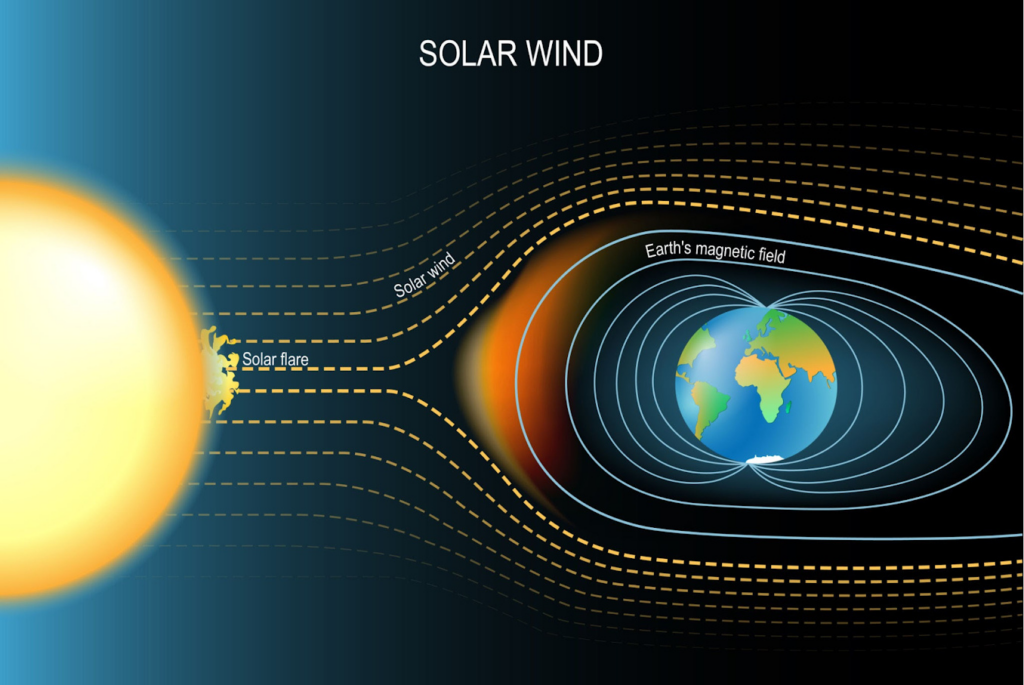
The Sun constantly emits a flow of tiny, charged particles. During strong solar storms or flares, that flow intensifies.
Step 2: Earth’s Magnetic Field
When those particles reach Earth, the magnetic field pulls some of them toward the North and South Poles where they enter the atmosphere.
Step 3: The Glow
As the particles collide with oxygen and nitrogen, the atoms release energy as light. The result is the glowing, shifting curtain we call the Northern Lights.
Why the Colors (The Atmospheric Fingerprint)
The specific colors we see are determined by which gas the solar particles collide with and how high up the collision occurs. Each color tells part of the story:
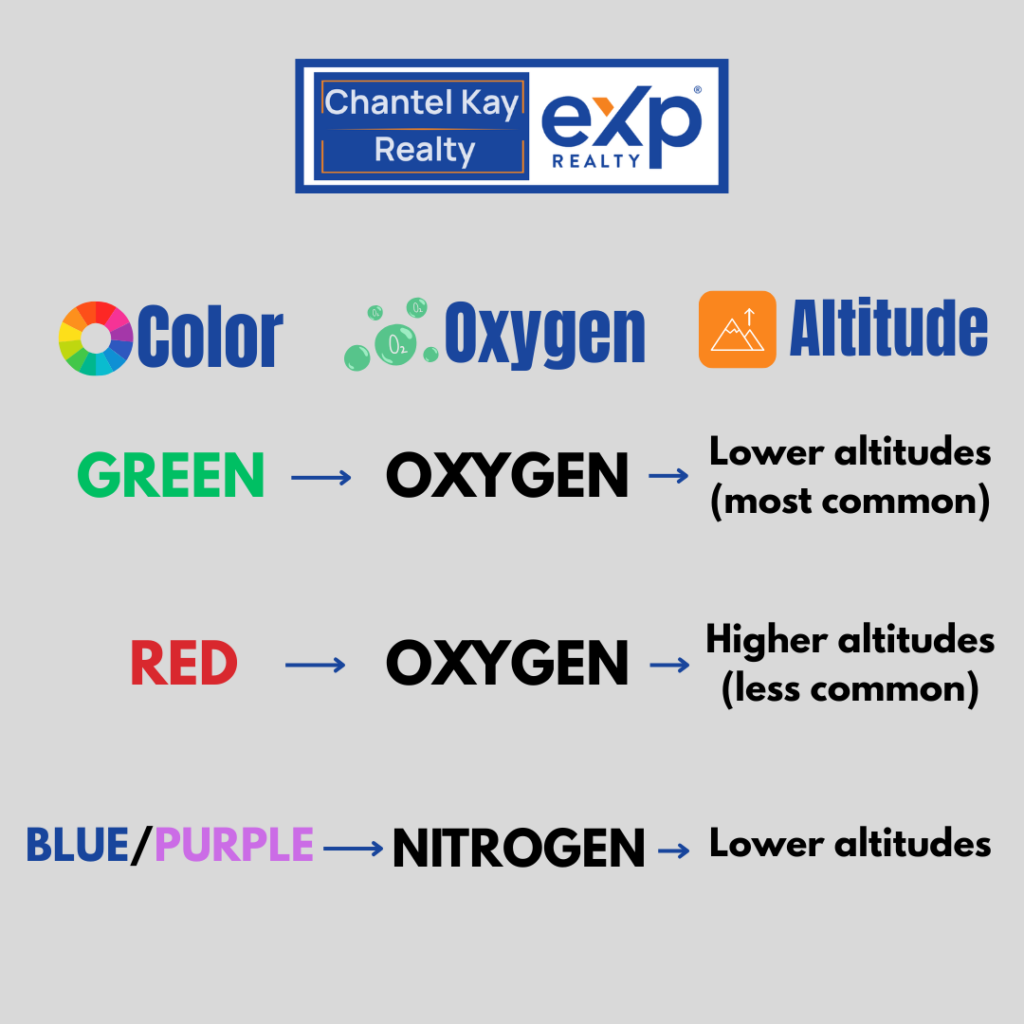
That’s why one person might see soft greens, while another sees deep purples or pinks from the same display.
- Northern Lights Over Minnesota
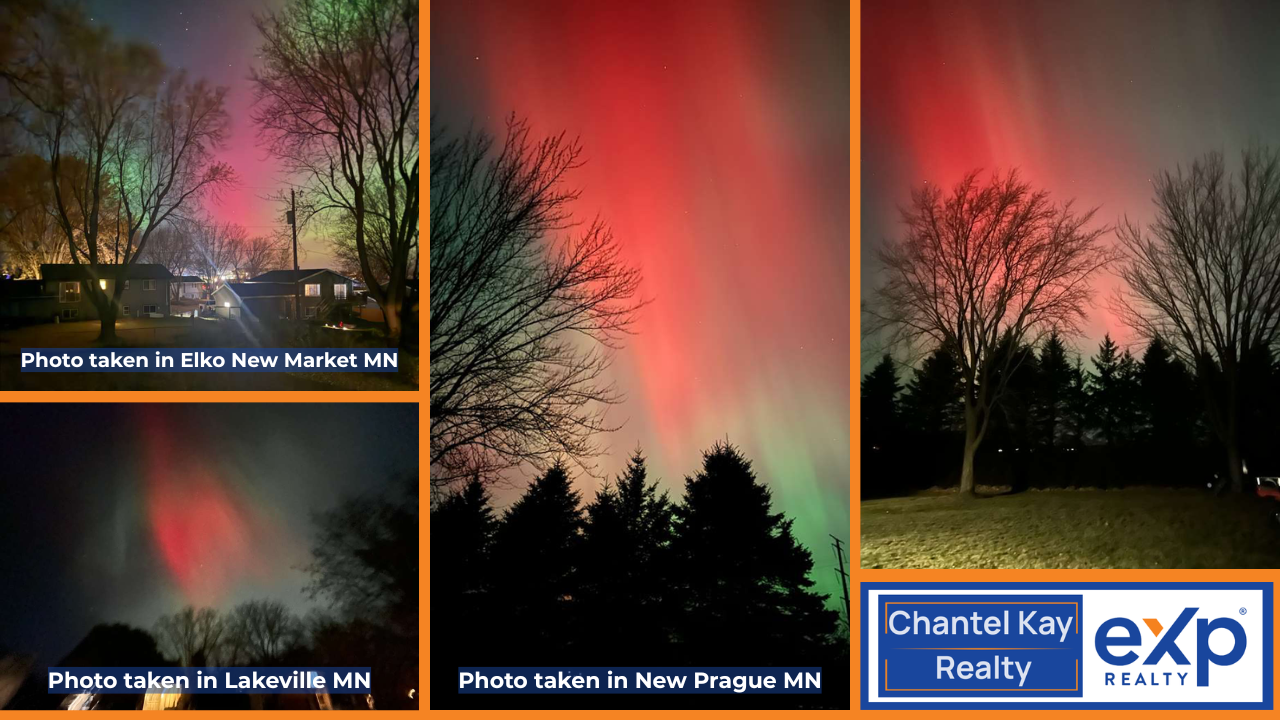
Photos Taken November 11, 2025 - Elko New Market, Minnesota
- New Prague, Minnesota
- Lakeville, Minnesota
Each image captures the same incredible moment from a slightly different view.
It was cold, quiet, and unforgettable, a reminder that sometimes you don’t have to go far to see something extraordinary.
